
Understanding Ultrasonic Cavitation for Body Contouring: Benefits, Process, and What to Expect

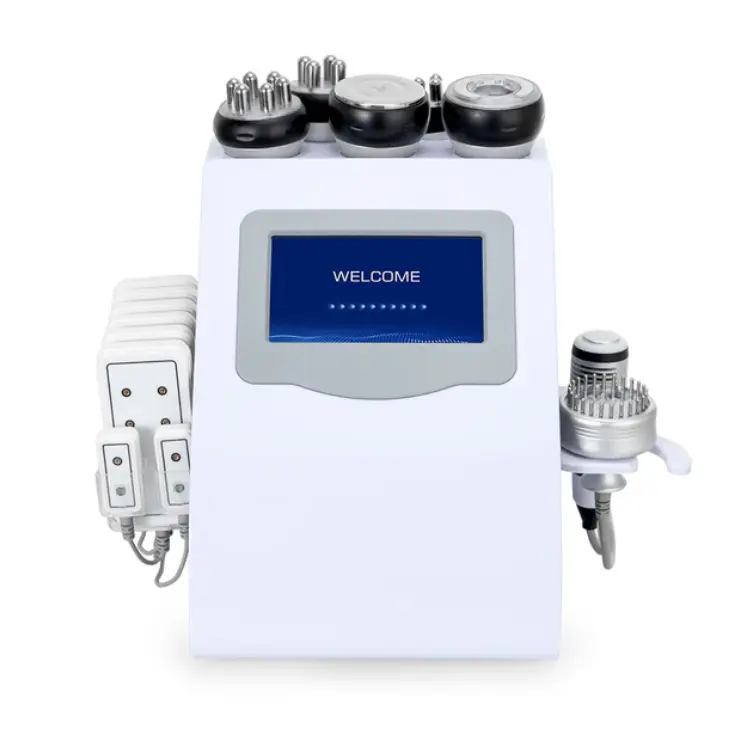
Body contouring has become one of the most discussed topics in the beauty and wellness industry. Many people want to reduce stubborn fat deposits that remain despite regular exercise and a balanced diet. While maintaining a healthy lifestyle is still the foundation of long-term fitness, non-invasive technologies have created additional options for individuals looking to refine specific areas of the body.
Ultrasonic cavitation is one of these innovative techniques. It uses sound wave technology to target localized fat deposits without surgery or lengthy recovery periods. As interest in non-surgical body contouring continues to grow, understanding how this technology works helps people make informed decisions about available treatment options.
Cavitation machine technology has become widely recognized for supporting non-invasive body contouring by using ultrasonic energy to target stubborn fat cells while minimizing disruption to surrounding tissues.
What Is Ultrasonic Cavitation?
Ultrasonic cavitation is a non-invasive body contouring technique that uses low-frequency ultrasound waves to affect fat cells beneath the skin. Unlike surgical procedures such as liposuction, cavitation does not require incisions, anesthesia, or extended recovery time.
The ultrasound waves create microscopic pressure changes around fat cells. These changes can weaken the fat cell membranes, allowing their contents to be processed naturally through the body’s metabolic system over time.
It is important to understand that cavitation is generally designed for body sculpting rather than significant weight reduction. Individuals who are already close to their desired weight often use it to address localized fat deposits.
How Ultrasonic Cavitation Works
Ultrasound Energy
Specialized devices emit controlled ultrasonic waves into targeted areas. The frequencies are selected to interact with fatty tissue beneath the skin while avoiding damage to muscles, nerves, and blood vessels.
Fat Cell Disruption
The sound waves create microscopic bubbles within fatty tissue. As these bubbles expand and collapse, pressure is generated that may weaken fat cell membranes.
Once disrupted, the stored fat is released and gradually processed by the body’s natural metabolic and lymphatic systems.
Natural Elimination
The liver and lymphatic system help remove the released fat over the following days and weeks. Drinking sufficient water and maintaining physical activity can support these natural processes.
Areas Commonly Treated
Ultrasonic cavitation is often used on areas where stubborn fat tends to accumulate.
Common treatment areas include:
- Abdomen
- Waist
- Love handles
- Thighs
- Hips
- Upper arms
- Back
- Buttocks
The suitability of each treatment area depends on individual body composition and practitioner assessment.
Benefits of Ultrasonic Cavitation
Non-Invasive Treatment
One of the greatest advantages is that no surgical procedure is involved. Since there are no incisions, there is generally less discomfort compared to invasive alternatives.
Minimal Recovery Time
Many individuals return to normal daily activities immediately after treatment. There is typically no need for extended downtime.
Targeted Body Contouring
The technology focuses on localized fat deposits that may not respond easily to exercise and healthy eating.
Comfortable Sessions
Most people describe the treatment as comfortable, with only mild warmth or slight tingling during the procedure.
Improved Body Confidence
Although results vary between individuals, body contouring may contribute to increased confidence when combined with realistic expectations and healthy lifestyle habits.
Who May Benefit from Cavitation?
Ultrasonic cavitation is generally considered for adults who:
- Are close to their ideal weight
- Have localized fat deposits
- Maintain realistic expectations
- Follow a balanced diet
- Exercise regularly
- Want a non-surgical option
People seeking substantial weight loss may require lifestyle changes under medical guidance instead of relying solely on body contouring treatments.
Preparing for a Session
Preparation is relatively simple but can influence the overall experience.
Recommendations often include:
- Drink plenty of water before treatment.
- Avoid excessive alcohol consumption.
- Eat balanced meals.
- Stay physically active.
- Wear comfortable clothing.
- Follow practitioner instructions carefully.
Proper hydration supports normal metabolic function and lymphatic circulation.
What Happens During Treatment?
Consultation
A consultation usually begins by discussing health history, treatment goals, and expected outcomes.
Area Assessment
The practitioner identifies the treatment area and may take measurements or photographs for progress tracking.
Application of Gel
A conductive gel is applied to improve contact between the treatment device and the skin.
Device Movement
The handheld applicator moves slowly across the targeted area while ultrasonic energy is delivered.
Most sessions last between 30 and 60 minutes depending on the treatment area.
What Does the Treatment Feel Like?
Experiences differ slightly from person to person.
Many individuals report:
- Gentle warmth
- Mild vibration
- Slight buzzing sensation
- High-pitched sound heard internally
The procedure is generally considered comfortable without requiring anesthesia.
Supporting Better Results
Treatment outcomes often depend on healthy lifestyle habits.
Helpful practices include:
- Drinking plenty of water
- Regular exercise
- Balanced nutrition
- Limiting processed foods
- Reducing excessive sugar intake
- Maintaining a stable body weight
Healthy habits help support long-term body composition after treatment.
Safety Considerations
Although ultrasonic cavitation is non-invasive, it is not suitable for everyone.
Individuals should consult qualified professionals if they have:
- Pregnancy
- Severe liver disease
- Kidney disorders
- Pacemakers
- Metal implants near treatment areas
- Certain chronic medical conditions
Professional assessment helps determine whether treatment is appropriate.
Common Myths About Cavitation
Myth 1: It Is a Weight Loss Solution
Cavitation is intended for body contouring rather than dramatic weight reduction.
Myth 2: One Session Solves Everything
Visible improvements often require multiple sessions combined with healthy habits.
Myth 3: Results Are Instant
The body gradually processes disrupted fat cells, so improvements may appear over several weeks.
Myth 4: Exercise Is No Longer Necessary
Healthy nutrition and regular physical activity remain important for maintaining results.
Comparing Cavitation with Other Body Contouring Methods
| Feature | Ultrasonic Cavitation | Liposuction |
| Surgery Required | No | Yes |
| Anesthesia | Usually No | Yes |
| Downtime | Minimal | Longer Recovery |
| Scarring | None | Possible |
| Recovery Time | Short | Several Weeks |
| Body Contouring | Yes | Yes |
Each option has different benefits depending on individual goals and medical advice.
Lifestyle Habits That Complement Cavitation
Body contouring works best alongside healthy daily habits.
Some practical recommendations include:
- Drink at least two liters of water daily.
- Eat protein-rich meals.
- Include vegetables with every meal.
- Sleep seven to eight hours each night.
- Perform strength training regularly.
- Walk consistently throughout the week.
- Avoid smoking when possible.
These habits contribute to overall wellness while supporting body composition goals.
Conclusion
Ultrasonic cavitation represents an innovative approach to non-invasive body contouring. By using focused ultrasound technology, it offers a way to address localized fat deposits without surgery or extended recovery periods. While it should not be viewed as a replacement for healthy eating or regular exercise, it can complement an active lifestyle for individuals seeking targeted body sculpting.
For those interested in understanding the technology behind modern body contouring, learning about a cavitation machine provides insight into how ultrasonic energy is used to support non-invasive fat reduction techniques.
Frequently Asked Questions
1. How many cavitation sessions are usually recommended?
The number of sessions varies depending on body composition, treatment area, and individual goals. Many people undergo multiple sessions spaced over several weeks to allow the body sufficient time to process disrupted fat cells naturally while monitoring gradual improvements.
2. Is ultrasonic cavitation painful?
Most individuals report little to no discomfort during treatment. A mild warming sensation, slight vibration, or a faint buzzing sound may be experienced. Since the procedure is non-invasive, anesthesia is generally unnecessary, and most people return to normal activities immediately afterward.
3. Can cavitation replace exercise and healthy eating?
No. Ultrasonic cavitation is designed to complement—not replace—a healthy lifestyle. Regular exercise, balanced nutrition, adequate hydration, and weight management remain essential for maintaining body composition and supporting long-term treatment results.
4. When are results usually noticeable?
Results differ between individuals. Some people notice subtle improvements after a few sessions, while others require additional treatments before changes become visible. Since the body naturally processes released fat over time, improvements often develop gradually over several weeks.
5. Who should avoid ultrasonic cavitation?
Individuals with certain medical conditions, including pregnancy, severe liver or kidney disease, implanted electronic medical devices, or metal implants near the treatment area, should seek professional medical advice before considering ultrasonic cavitation. A consultation helps determine whether the procedure is appropriate.
